AGP Executive Report
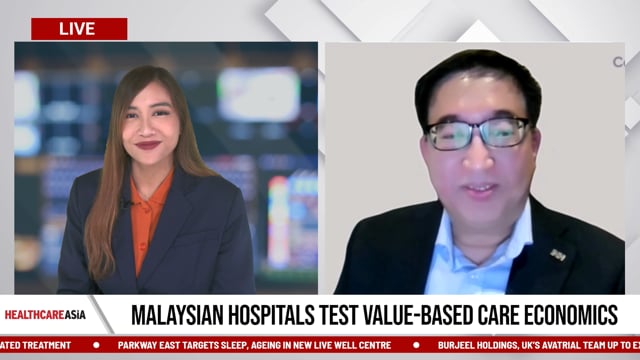
Last update: 3 hours agoCybersecurity Disruption: A cyber incident at the University of New Mexico Health System forced ambulance diversions and canceled clinic appointments across its network of more than 30 facilities. Hospital Access: Malaysia says 71.8% of its major public hospitals now admit emergency patients to beds within eight hours, up from 55% last year. Conflict and Health: Russian strikes damaged two medical facilities in Kyiv, including windows in an intensive care unit; no casualties were reported at the facilities. Ebola Response: Nigeria’s first Ebola patient in more than a decade and the patient’s spouse were medically evacuated to Swiss hospitals. Medicine Supply: Sandoz’s CEO warned that Europe’s reliance on China for antibiotics risks public health security; China supplied 86% of EU penicillin imports last year. Children’s Care: A $150 million gift will support Nevada’s first stand-alone children’s hospital, planned to open in Las Vegas in 2030.
Note: AI summary from news headlines; neutral sources weighted more to help reduce bias in the result. Feedback is welcome. Please let us know if you have any comments or suggestions about the AGP Executive Report.



 Perspectify News