

Rodent Activity Expands Beyond Coastal Cities, Exposing 1.2 Million Inland Californians to New Public Health Risks
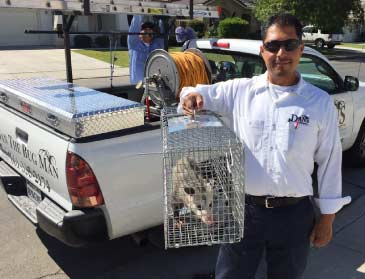
Danny Hernandez, owner of Dan’s Pest Management, serving residential and commercial properties across Bakersfield and Kern County, California.

Dan’s Pest Management Inc. logo – Bakersfield pest control company
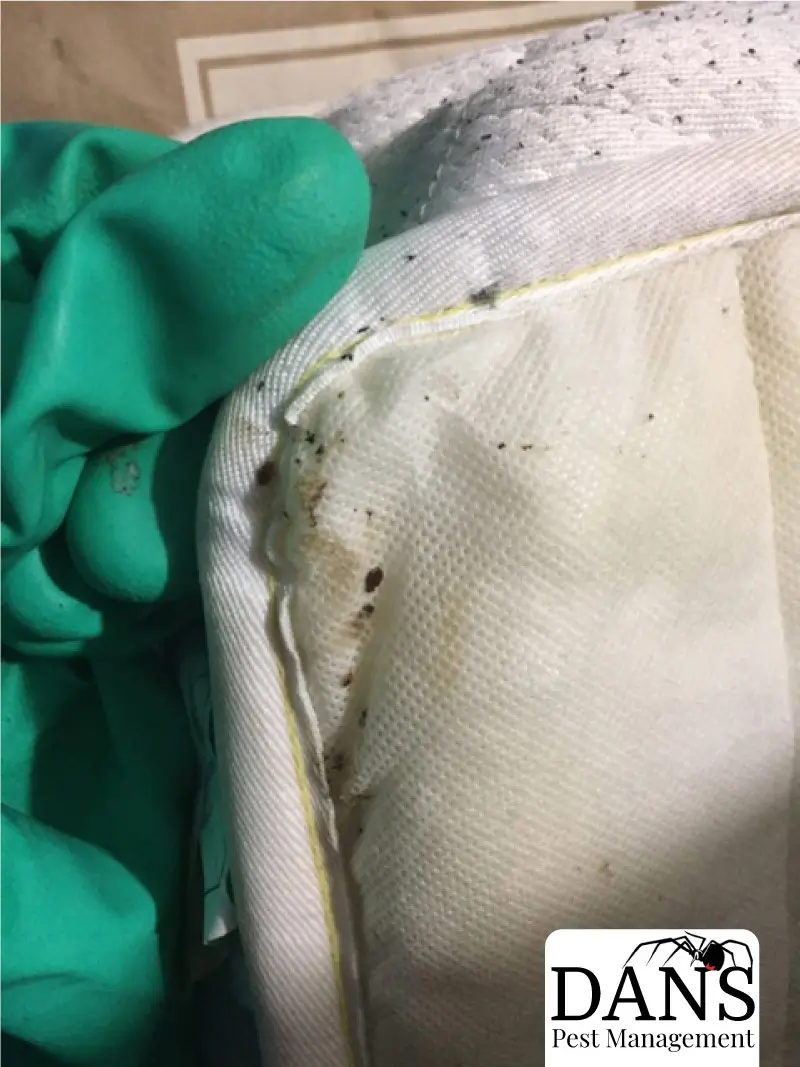
Bed bugs can cause itching, rashes, and sleepless nights if not treated quickly.

Cockroaches infestation
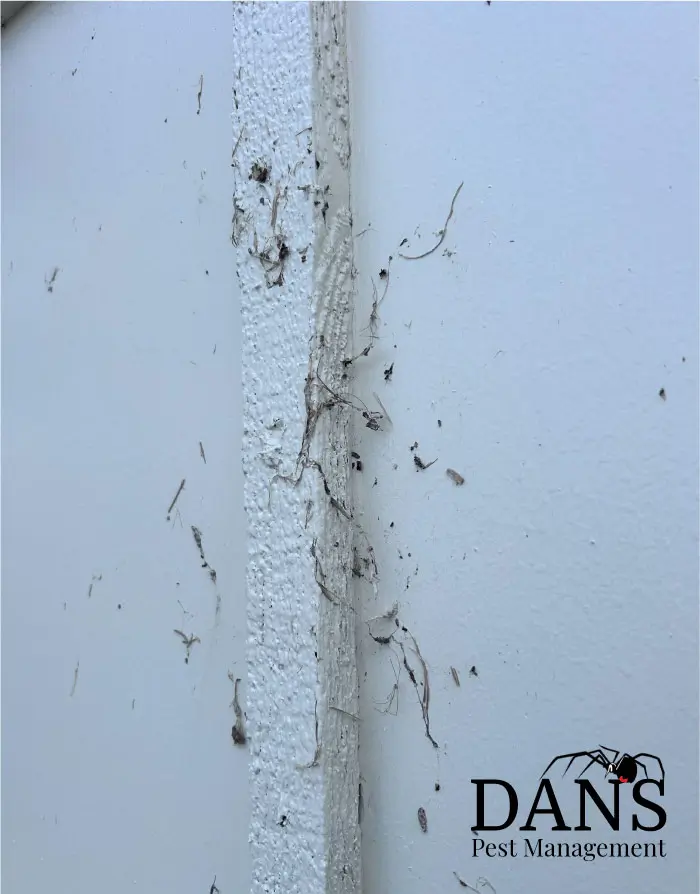
A spider infestation identified during a routine pest inspection at a residential property in Bakersfield, California.
Rodent activity is expanding into inland California, exposing 1.2 million residents to new public health risks driven by climate shifts and urban growth.
BAKERSFIELD, CA, UNITED STATES, February 12, 2026 /EINPresswire.com/ -- Rodent activity, long concentrated in California’s dense coastal metros, is increasingly expanding into inland communities, exposing an estimated 1.2 million residents to new public health risks, according to population data and public health surveillance. Researchers and health officials say the shift reflects a convergence of climate volatility, urban expansion, and aging housing infrastructure that is reshaping where rodents can thrive.
Population estimates from the U.S. Census Bureau show that more than 1.2 million people live across inland California counties where rodent-related complaints and monitoring alerts have risen in recent years. These regions, including much of the Central Valley, were historically considered lower-risk compared to coastal cities. That distinction is now eroding.
Rodents are not merely a nuisance issue. According to the Centers for Disease Control and Prevention, rats and mice are known carriers of pathogens, parasites, and allergens that can affect human health when infestations persist undetected. Public health officials note that prolonged exposure can contribute to respiratory irritation, food contamination, and secondary pest problems, particularly among children, seniors, and individuals with underlying health conditions.
Climate instability is a primary driver of the inland shift. Research from NOAA and the California Climate Assessment shows that prolonged droughts followed by episodic heavy rainfall have disrupted traditional rodent habitats. As agricultural fields and irrigation systems dry out or flood unpredictably, rodents migrate toward urban environments that offer consistent access to food and shelter. Warmer winters have further reduced seasonal population decline, allowing rodent activity to remain elevated year-round.
Data from the California Department of Public Health and regional vector control agencies indicate that rodent-related service calls and environmental health alerts have increased across multiple inland jurisdictions. Officials also warn that extended warm periods accelerate breeding cycles, making infestations harder to contain once established.
Urban development patterns compound the problem. Inland cities such as Bakersfield sit between agricultural land, industrial corridors, and expanding residential neighborhoods. Studies from UC Agriculture and Natural Resources show that rodents displaced from farmland or construction zones often migrate directly into nearby homes and businesses. Older housing stock common in inland communities frequently contains crawl spaces, utility penetrations, and structural gaps that allow easy entry without proactive rodent control measures.
Public health experts caution that undetected infestations can lead to long-term exposure risks, including contaminated insulation, compromised ventilation systems, and reduced indoor air quality. As a result, many municipalities are seeing increased demand for professional pest control services that focus on prevention as well as removal.
Bakersfield, located in Kern County, illustrates how these trends converge. The region’s extreme heat, rapid population growth, and proximity to agriculture create conditions where rodents, along with other pests such as ants and cockroaches, can establish quickly if left unmanaged. In many cases, infestations initially identified as rodent-related expand into broader pest issues requiring comprehensive residential and commercial pest control solutions.
“Rodent exposure is increasingly a public health issue in inland cities, not just a property concern,” said Danny Hernandez, owner of Dan’s Pest Management, a family-owned pest management company serving Bakersfield and surrounding communities. “We’re seeing activity patterns that were once associated with coastal areas now affecting Central Valley neighborhoods year-round.”
Hernandez noted that early detection and structural prevention play a critical role. “Once rodents establish themselves inside walls or crawl spaces, the health risks and remediation costs increase significantly,” he said. “Professional rats and mice pest control is becoming more preventive than reactive.”
As California continues to experience environmental and demographic shifts, public health agencies and local governments may need to reassess how rodent monitoring, education, and prevention resources are allocated, particularly in inland regions now facing exposure levels once associated primarily with coastal cities.
Danny Hernandez
Dan’s Pest Management
+1 661-335-2174
email us here
Legal Disclaimer:
EIN Presswire provides this news content "as is" without warranty of any kind. We do not accept any responsibility or liability for the accuracy, content, images, videos, licenses, completeness, legality, or reliability of the information contained in this article. If you have any complaints or copyright issues related to this article, kindly contact the author above.
